Chiller Science Class | Don't Wait for Shutdown Before Maintenance: Check Out This Chiller Routine Maintenance Guide!
In industrial production, chillers are core supporting equipment for ensuring constant process temperature and normal equipment operation. Many companies assume that chillers can operate without maintenance for a long time after installation. However, most problems with chillers, such as high-pressure alarms, reduced cooling capacity, compressor failures, and soaring energy consumption, are caused by inadequate routine maintenance. Therefore, standardized routine maintenance is crucial for the long-term stable operation of chillers. This article will introduce the key points of chiller maintenance. If you have any questions about the article or want to learn more about chillers, please leave a comment below!
I. The Importance of Routine Chiller Maintenance
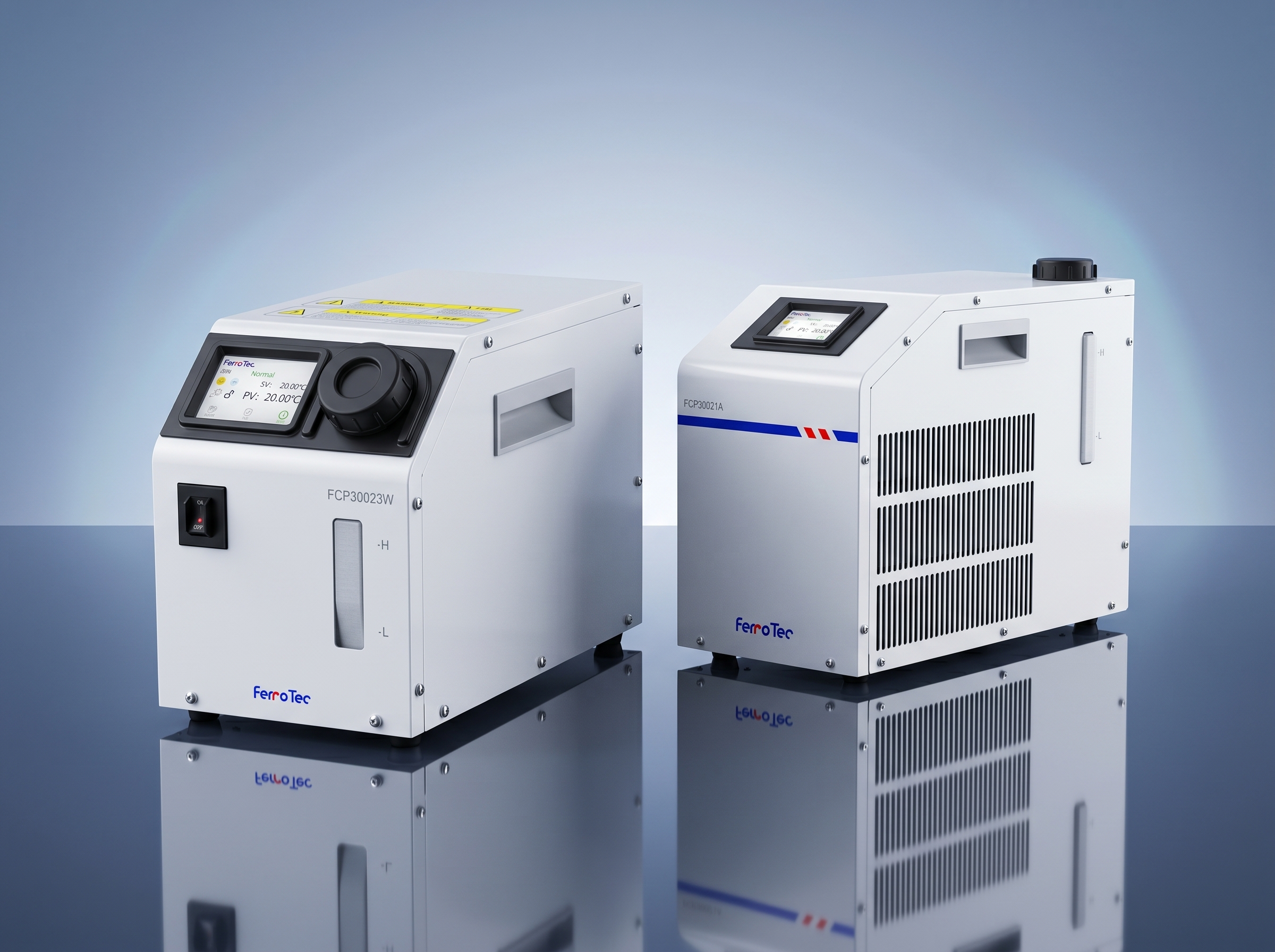
Most core losses in chillers do not stem from sudden malfunctions, but rather from the accumulation of small problems over time. Dust blockage, pipe scaling, refrigerant leaks, aging oil, and loose components—these seemingly minor issues can continuously reduce cooling efficiency, increase compressor load, raise electricity costs, and in severe cases, burn out core components, resulting in high repair costs and production line downtime. Regular maintenance aims to proactively prevent malfunctions, extend equipment lifespan, and ensure production continuity.
II. Key Points for Daily Maintenance of Chillers
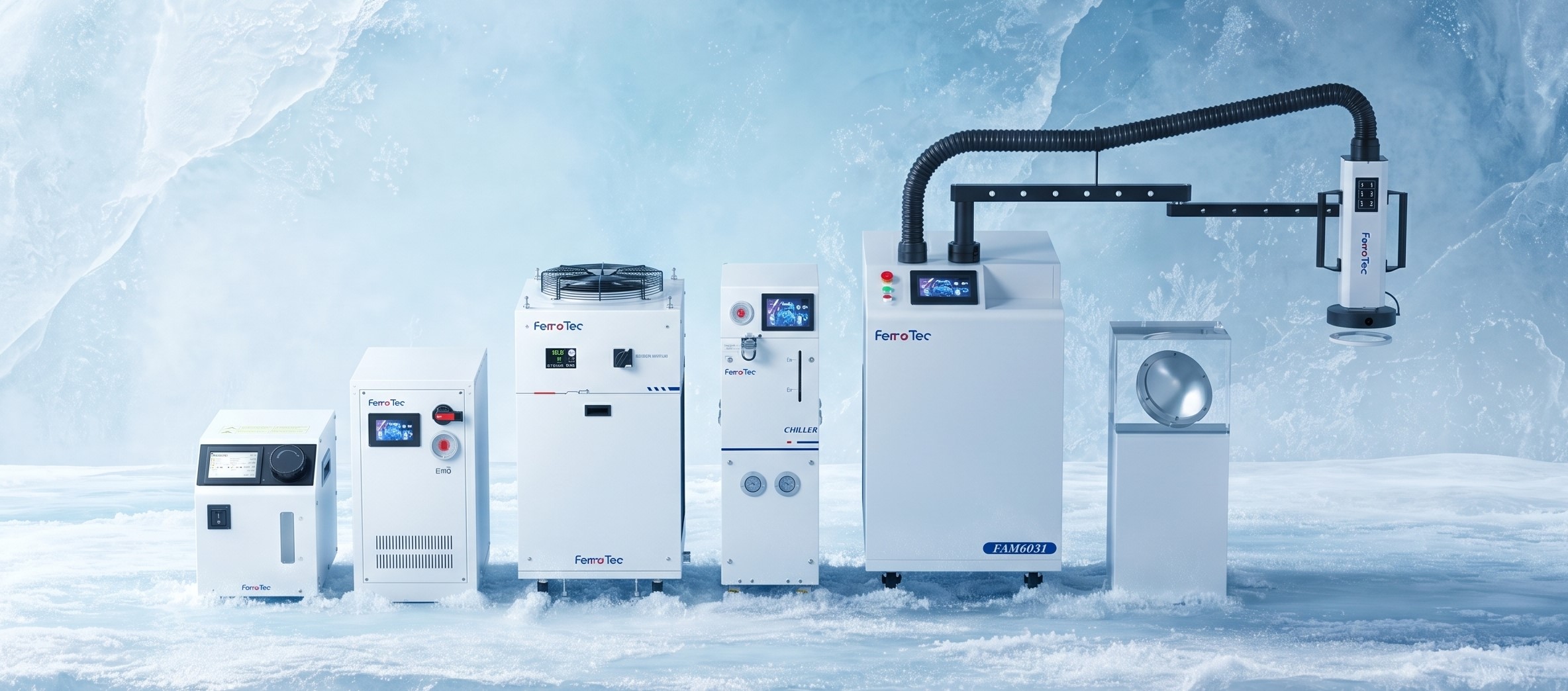
☑️ Basic Daily Maintenance
Different types of chillers require specific maintenance to ensure efficient and stable system operation:
1. Air-cooled chillers: Regularly clean dust, lint, and other debris from the condenser surface to keep heat dissipation channels clear and prevent high-pressure alarms or compressor overload caused by poor heat dissipation.
2. Water-cooled chillers: Regularly inspect the cooling tower and cooling water pipes, promptly removing scale, moss, and other deposits to prevent pipe blockages that could affect heat exchange efficiency. Simultaneously, conduct daily inspections and record key operating parameters (such as outlet water temperature, high and low pressure, and operating current), and address any abnormalities promptly.
☑️ Regular Maintenance of Core Components
1. Compressor: Check the oil level and quality of the refrigeration oil every 6-12 months, and replace aged or contaminated oil promptly to prevent insufficient lubrication leading to rotor or scroll wear.
2. Refrigerant System: Regularly check system pressure and inspect pipe joints, valves, etc. for leaks to ensure stable refrigerant circulation and sufficient charge.
3. Fan and Water Pump: Check for smooth operation and abnormal noises, and tighten electrical wiring terminals to prevent loose wiring, poor contact, or even short circuits caused by equipment vibration.
☑️ Seasonal Special Maintenance
1. Before Summer: Conduct a comprehensive system inspection before high-load operation, focusing on cleaning heat exchangers and calibrating temperature control and protection parameters to ensure the equipment can handle high-temperature conditions.
2. During Winter Shutdown: Thoroughly drain accumulated water from pipes and heat exchangers to prevent freezing and cracking; at the same time, implement dust and moisture-proof measures for the entire unit to lay the foundation for a smooth start-up next time.
Many companies believe that maintenance is time-consuming and expensive, but the opposite is true. Chillers that are maintained according to regulations maintain optimal cooling efficiency, reducing energy consumption by 15%–30%, significantly extending equipment lifespan, and effectively avoiding high hidden costs such as sudden downtime and replacement of core components. Therefore, routine and meticulous maintenance is not an expense, but a wise investment in production continuity, equipment value preservation, and long-term cost reduction.